

Why Is My Child Having Big Emotions?
Emotional Regulation Strategies for Kids with ADHD and Autism
Emotional regulation can be challenging for many children. For children diagnosed with ADHD or Autism Spectrum Disorder, big emotions, unexpected changes, sensory experiences, and everyday demands can sometimes feel overwhelming.
As a parent, it can be difficult to watch your child struggle with frustration, anxiety, or moments of distress—and even harder when you’re unsure how to support them in the moment.
The good news is that children can develop greater awareness of their emotions and build a wider range of strategies to support themselves. With the right understanding, adjustments, and support, families can create environments where children feel safe, understood, and more confident navigating big feelings.
Why Emotional Regulation Can Be Challenging for Neurodivergent Kids
Children with ADHD or Autism may experience emotions, sensory information, and their environment differently. Some children experience emotions very intensely, find it difficult to shift attention or move between activities, or need more time and support to process what is happening around them.
Sensory overload, unexpected transitions, communication differences, fatigue, anxiety, and feeling misunderstood can all contribute to moments of distress.
Emotional regulation is not simply about "behaving" or learning to suppress emotions. It is about helping children understand their internal experiences, communicate their needs, and develop strategies that support their wellbeing.
3 Practical Strategies to Try at Home
1. Create a Regulation Toolkit
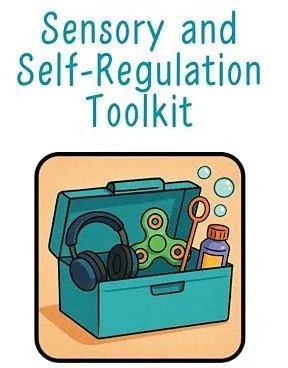
Regulation Toolkit
A regulation toolkit is a collection of supports your child can access when they need help feeling calm, comfortable, or grounded.
This might include:
● noise-cancelling headphones or ear defenders
● fidget tools
● soft textures or comforting items
● visual supports
● drawing materials
● movement-based activities
● calming scents or sensory activities
The best regulation tools are different for every child. Some children may prefer quiet spaces, while others may regulate through movement, music, talking, or sensory input.
Where possible, involve your child in choosing what helps them feel comfortable. This builds self-awareness and helps them recognise that they have options when emotions feel overwhelming.
2. Use Visual Supports to Build Predictability
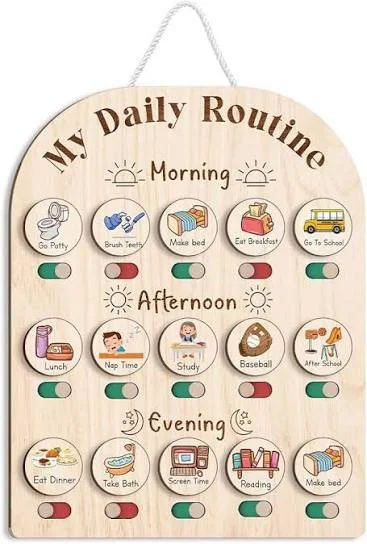
Visual Schedule
Many neurodivergent children benefit from visual supports because they make information clearer and more predictable.
Visual schedules can help children understand what is happening next, reducing uncertainty around transitions. Emotion scales, feeling charts, or body-awareness tools can also help children notice and communicate how they are feeling.
Parents can support this by learning to recognise their child's individual signs of overwhelm—such as changes in voice, movement, facial expression, withdrawal, increased activity, or seeking particular sensory input.
Supporting a child earlier, before they become completely overwhelmed, can make it easier for them to access strategies that help.
Pairing visuals with predictable routines and supportive communication can help children feel more confident and secure.
3. Co-Regulate First, Teach Later

Co-Regulate
When a child is overwhelmed, connection and support are often more helpful than explanations or problem-solving.
Co-regulation means providing a calm, supportive presence while your child works through a difficult emotional experience. This might include speaking calmly, reducing demands, offering reassurance, giving space, or helping them access strategies that work for them.
When children are experiencing intense emotions, their ability to think flexibly, problem-solve, and process information may be reduced. This is not the time for teaching lessons or discussing what went wrong.
Once your child has returned to a calmer state, you can reflect together on what happened, what they needed, and what might help next time.
How Professionals Can Help
While these strategies can be helpful at home, working with a psychologist or occupational therapist can provide personalised support based on your child's strengths, needs, and experiences.
Psychologists can help children develop emotional awareness, coping strategies, communication skills, and confidence in navigating challenging situations. Support may include play-based approaches, cognitive behavioural strategies, or other evidence-informed interventions tailored to the child.
Occupational therapists can support children to understand their sensory needs, develop regulation strategies, and make practical adjustments across home, school, and community environments.
Together, psychologists and occupational therapists can help children and families better understand regulation, build supportive strategies, and create environments where children can thrive.
Looking for Support?
If your child is experiencing challenges with emotional regulation and you’re unsure where to start, our team of experienced psychologists and occupational therapists is here to help with immediate availability.
We work with children and families to understand each child's unique strengths, needs, and experiences, and provide individualised support that helps children feel confident, understood, and supported.
Contact us today to learn more or book an initial consultation.
Written by Laani Craven - Senior Psychologist and Clinical Lead at All Abilities Therapy for Kids and Teens.
